English
 Company Profile
 Company News


 FAQ
FAQ
 Video
Video
 Service
 PDF
PDF
For pet brands, developing a successful toy product requires more than choosing an existing design and adding a logo. A well-planned customization process helps brands create products that match their target customers, market positioning, and sales channels.
From product concept and material selection to sampling approval and mass production, every stage affects the final result. A clear product brief allows suppliers to understand the brand’s expectations and reduces unnecessary revisions during development.
Lucky Venus provides customized pet toy solutions for brands, retailers, and distributors, supporting product development from initial ideas to finished products.
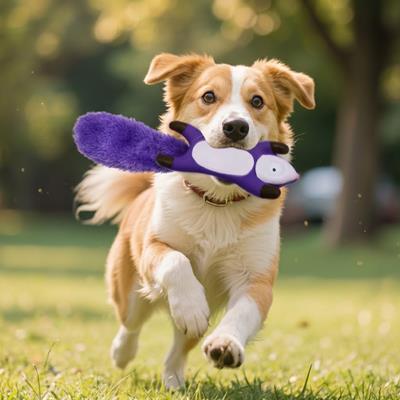
Before starting a pet toy project, brands should first define the type of cooperation they need. Different production models require different levels of product information and decision-making.
Custom pet toys usually involve developing a new design based on a brand’s concept, including product shape, function, material, and packaging requirements. Private label projects may focus on adapting existing products with brand-specific logos, colors, or packaging. OEM/ODM cooperation can involve different levels of supplier involvement in product design and manufacturing.
Brands looking for custom made dog toys should prepare a clear product direction before requesting samples. Information such as target customers, intended market, product function, and design preferences helps suppliers better understand the project requirements.
Choosing the right cooperation model at the beginning can improve communication efficiency and create a smoother development process.
A detailed product brief is one of the most important documents before sampling. Many delays happen because important details are unclear during the early development stage.
A complete brief should usually include:
Product concept and target pet category.
Expected toy function and usage scenario.
Preferred materials and appearance style.
Size, color, and design requirements.
Logo, packaging, and labeling needs.
The more specific the product information is, the easier it is for suppliers to prepare accurate samples. For example, a brand developing interactive toys may have different requirements from a brand focusing on durable chewing products.
A clear brief also helps both sides evaluate whether the product concept is realistic based on manufacturing methods, material availability, and production requirements.
Different pet toy products require different design considerations. Brands should evaluate each SKU individually instead of applying the same specification to every product.
Material selection affects durability, appearance, and user experience. Size should match the target pet group, while product function should align with customer expectations. For example, toys designed for chewing, fetching, or interactive play may require different structures and materials.
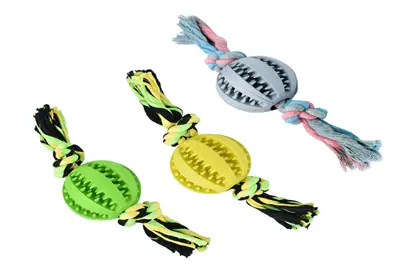
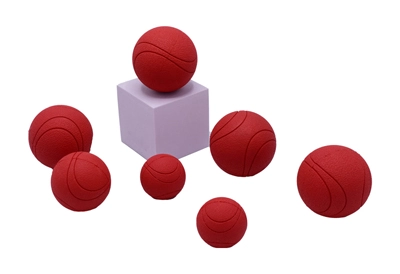
For brands developing products such as custom dog balls, factors including shape, texture, material flexibility, and durability should be considered during the design stage.
Safety is also an important consideration for pet products. Brands should communicate their target market requirements and quality expectations clearly during development to ensure the product meets intended usage conditions.
Brand presentation plays an important role in private label pet products. A consistent logo, artwork style, and packaging design help products stand out in competitive markets.
Before production, brands should confirm important details such as logo placement, printing methods, colors, packaging structure, and labeling information. Providing accurate artwork files and clear approval standards can reduce mistakes during production.
For private label dog toys projects, packaging is not only a marketing element but also part of the overall customer experience. A professional supplier should be able to support communication between design requirements and manufacturing processes.
Sample approval is another key step. Brands should carefully review the physical sample before moving into larger production to confirm appearance, function, and overall quality.
MOQ and quality control requirements should be considered before starting production. Different products may require different minimum order quantities depending on materials, production processes, and customization levels.
Brands should discuss:
Minimum order quantity requirements.
Sample approval process.
Production inspection standards.
Delivery expectations.
Future reorder plans.
For companies planning bulk dog toys wholesale, maintaining consistent product quality is essential because repeat orders depend on stable manufacturing performance.
Establishing quality checkpoints during production helps identify potential issues earlier and supports long-term cooperation between brands and suppliers.
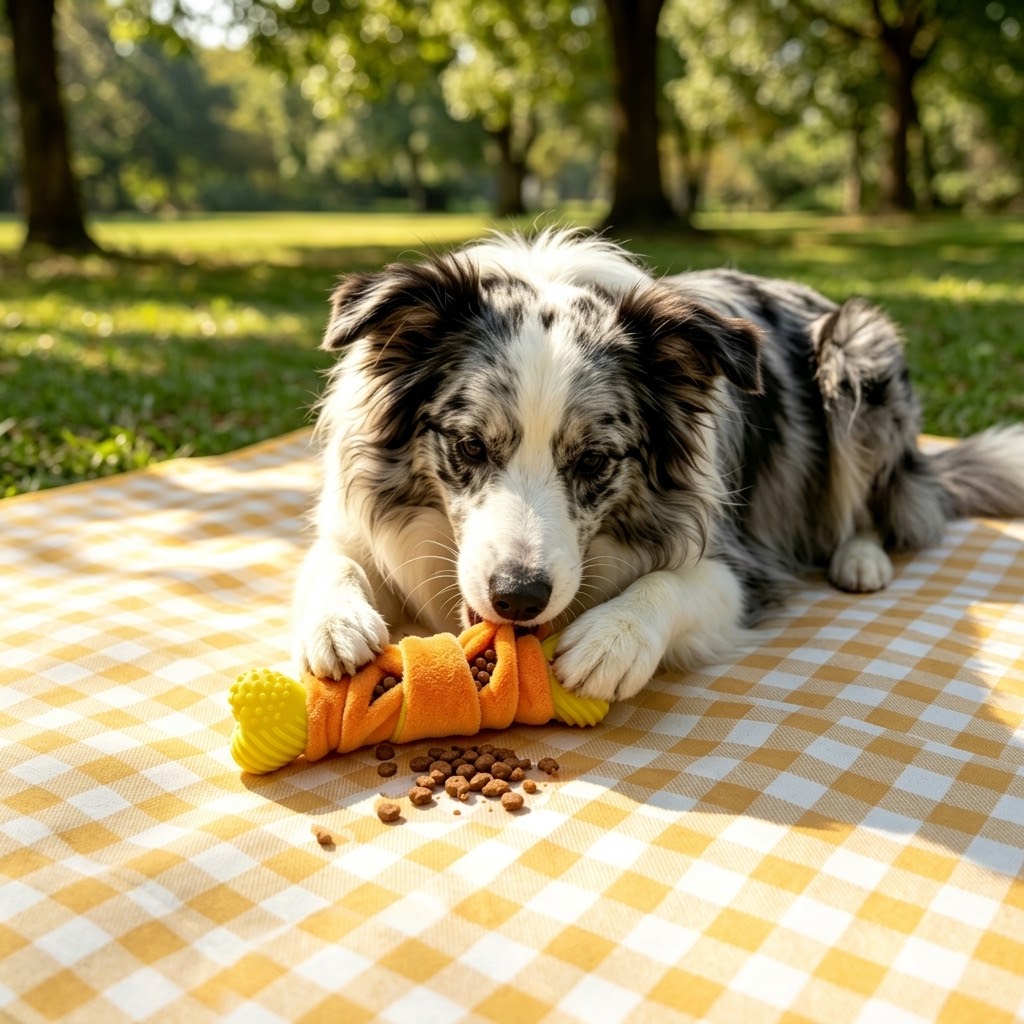
When evaluating suppliers, brands should compare more than pricing. A reliable supplier should understand product requirements, provide effective communication, and support consistent production.
| Evaluation Factor | What Brands Should Check |
| Product capability | Experience with similar pet toy products |
| Customization | Material, design, logo, and packaging options |
| Quality control | Inspection process and production consistency |
| Production capacity | MOQ requirements and delivery capability |
| Communication | Response speed and project support |
| Industry experience | Understanding of pet market requirements |
Working with an experienced dog toy factory can help brands manage product development more efficiently, especially when launching multiple customized products or expanding product lines.
Lucky Venus supports brands with customized pet toy development, helping customers move from product ideas to market-ready solutions.
Developing custom pet toys requires careful planning at every stage, from product briefing and material selection to sampling, quality control, and supplier evaluation. A detailed specification helps brands reduce communication issues and create products that better match their market goals. By working with an experienced partner like Lucky Venus, brands can build customized pet toy solutions with a clearer development process and stronger product consistency.
Brands should provide product concepts, target customers, material preferences, size requirements, design ideas, and packaging needs.
The timeline depends on product complexity, customization requirements, material selection, and sample approval speed.
Yes. Many suppliers can provide support with product development, manufacturing suggestions, and customization options.
Private label usually focuses on branding existing products, while custom pet toys involve more product-specific design and development.
Brands should evaluate supplier experience, customization capability, quality control process, communication efficiency, and production capacity.
This is the first one.